
A coordinator said something to me recently that stuck. "We tried you a few years ago, but it wasn't really for us."
I completely understand that. If you looked at Primary Languages Network four years ago, you saw a solid set of lesson plans and a team who cared a lot about primary languages. That's still true. But almost everything around it has changed.
What we've learned from working with more than 1,300 schools is that a good scheme on its own rarely fixes languages. Teachers still need to feel confident delivering it. Coordinators still need a way to show progress. Children still need to practise more than once a week. So that's where we've put our energy.
Some schools moved to another scheme, and I understand why. On paper, one scheme can look much like another. The difference shows up later, when a teacher isn't confident, a coordinator leaves, or Ofsted asks how you know children are making progress.
If that sounds familiar, this is what PLN looks like now.
1,300+ schools · 14,000 Video2Teach lessons taught a month · 25,000 children on Language Boosters · 8,000 children at our first live e-assembly
A native speaker in every lesson
The biggest change is Video2Teach 2.0. We have improved almost every aspect.
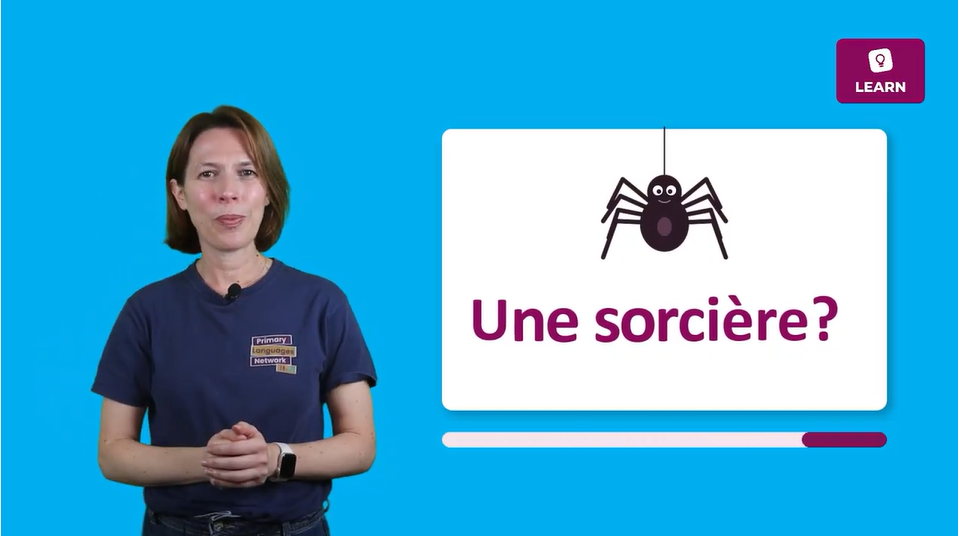
The reality in most primary schools is that languages are taught by class teachers who don't speak French or Spanish. They're asked to model pronunciation they're not sure of, and it's no surprise that languages become the lesson that quietly slips off the timetable.
Video2Teach puts a native speaker on screen to lead the lesson alongside the class teacher. Emilie teaches French and Irene teaches Spanish, across KS1 and KS2. The children hear authentic language every week. The teacher stays in charge of the room, joins in, and learns alongside the class.
It's now used for around 14,000 lessons every month in member schools.
What we've found is that this changes how teachers feel about the subject. They teach a lesson and it works. Next week they try a bit more themselves. Over time they stop feeling like someone having to teach French and start feeling like a teacher who can teach French.
For confident specialists, Click2Teach is still there: structured lessons, ready to go. We've also added German and Language Explorers, a scheme built for EYFS and KS1.
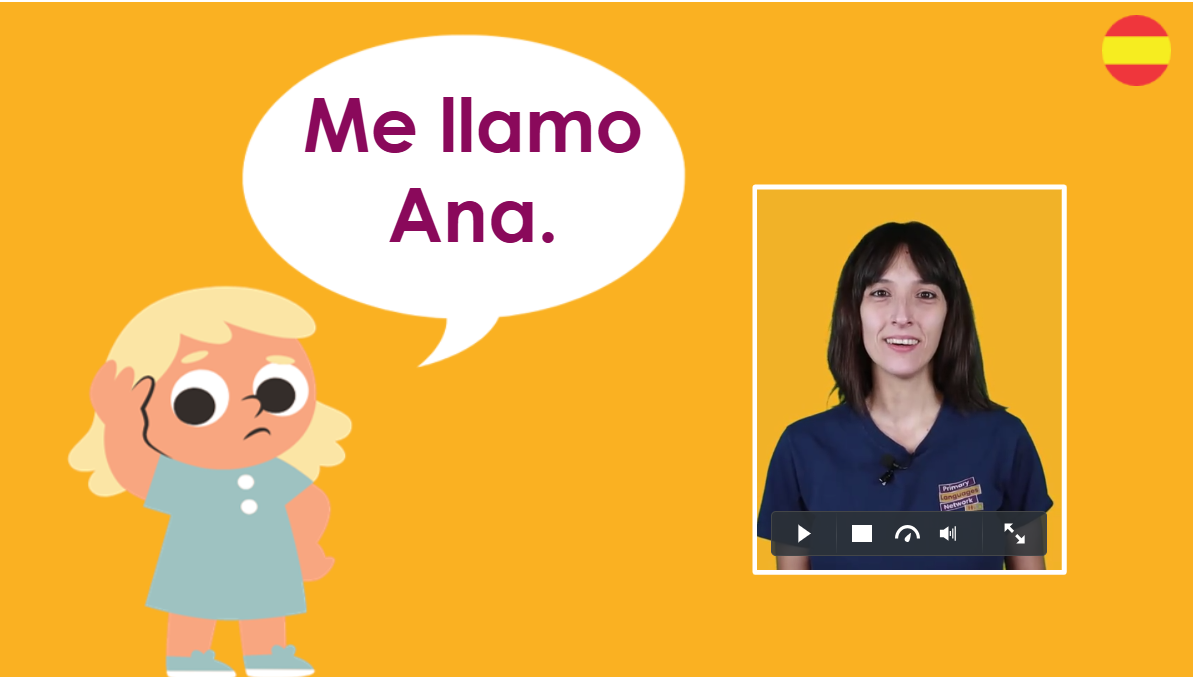
Alongside the audio files, lessons now come with short video files too. Emilie or Irene model the key language on screen, so children can see how a word is said as well as hear it, and teachers can replay it as often as they need. It sounds simple, but it takes the pressure off a teacher who's worried about getting the pronunciation wrong.
Support for the person holding it all together
In a lot of schools, languages rests on one person. When that coordinator is stretched, or moves on, the provision goes with them.
So membership now includes far more for subject leaders. Knowledge organisers, medium and long term plans, progression documents, assessment frameworks, Core Skills Progress Sheets, staff audits, policy templates and guidance for Ofsted conversations. The things you'd otherwise spend evenings building yourself.
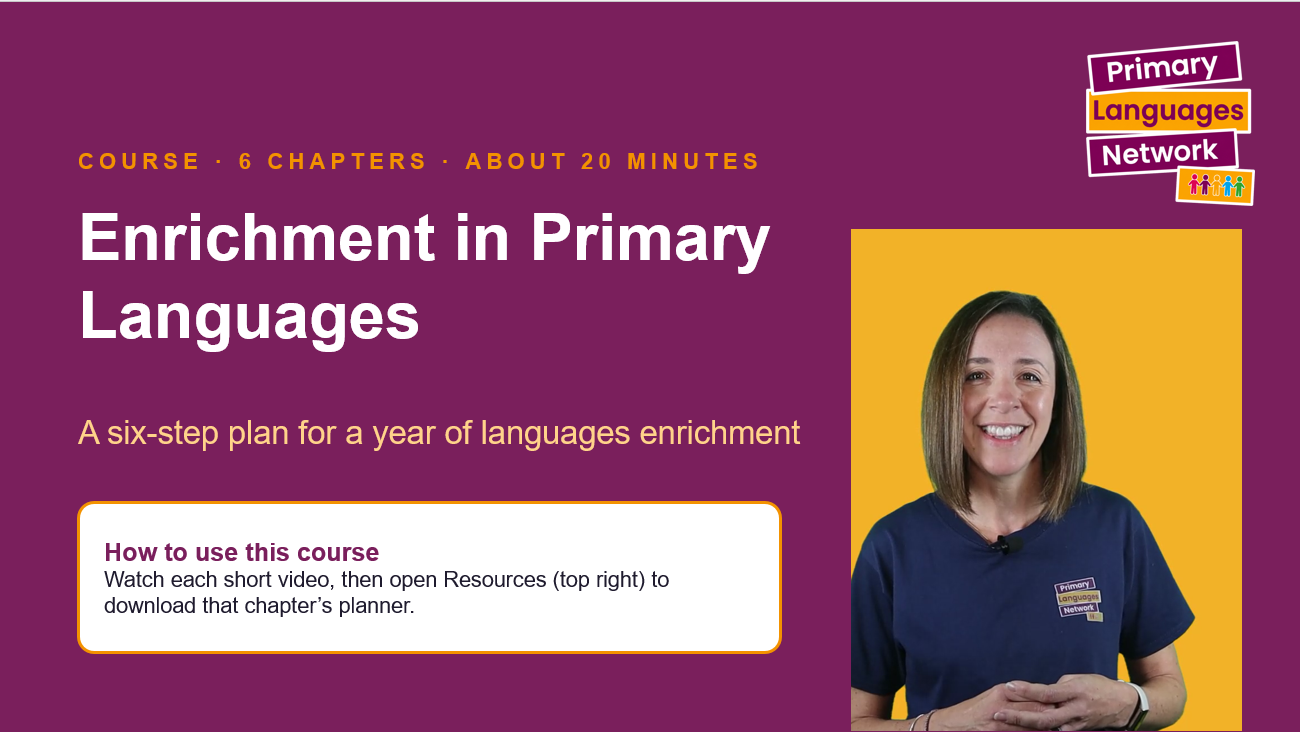
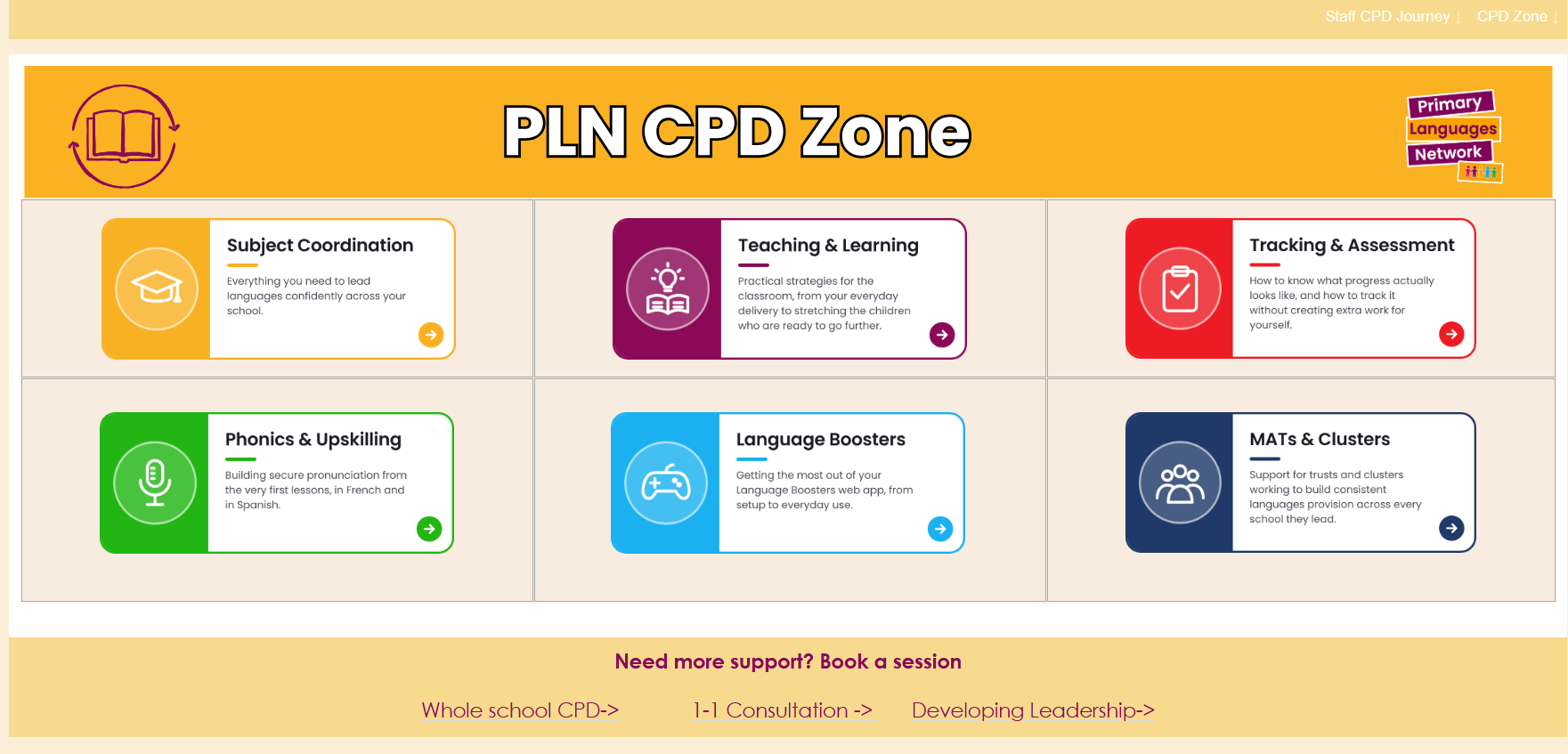
The people side matters just as much. Every member school gets a one to one consultation with one of our specialists, and you can now book further sessions with an expert whenever you need them. That might be planning a new curriculum, preparing for a deep dive, or simply talking through what's not working yet. Depending on your membership, Kate or I will also run whole school CPD over Zoom. Teachers can dip into the CPD Zone for short courses with certificates, and coordinators can join our termly network meetings and the Developing Subject Leadership course.
Confidence isn't something we can hand out at an INSET day. It's built through repeated support over the year, and that's what we've tried to design.
Practice that doesn't stop at the classroom door
One lesson a week isn't much time to remember new vocabulary. It's easy for children to arrive at the next lesson having forgotten most of the last one.
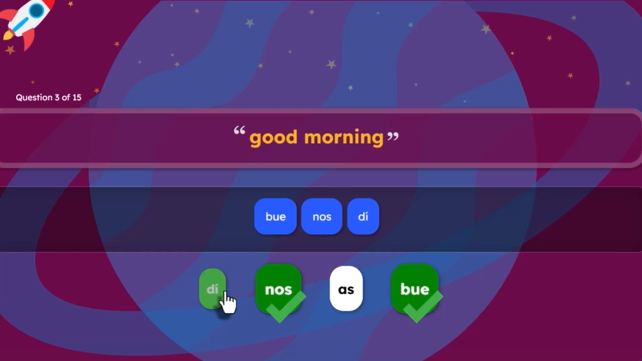
Language Boosters is our games app for pupils. Children practise the vocabulary from their lessons through short, interactive games. Schools use it in class, as an intervention, or at home, and we set up the pupil logins for you.
A few minutes of extra practice between lessons makes a real difference to what children retain. It also gives parents a way to see what their child is learning.
More than 25,000 children now use Language Boosters. The app also has video recaps, so before they play, children can rewatch the key language from their lesson and hear it modelled again.
Workbooks that keep everything in one place
Loose worksheets get lost. Printing eats into time and budget. And it's hard to show progress when children's work is scattered across exercise books.
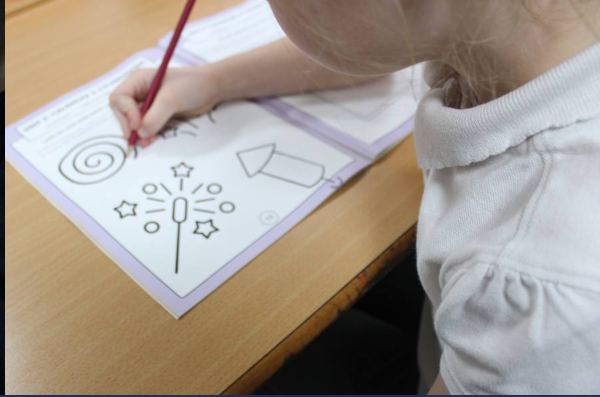
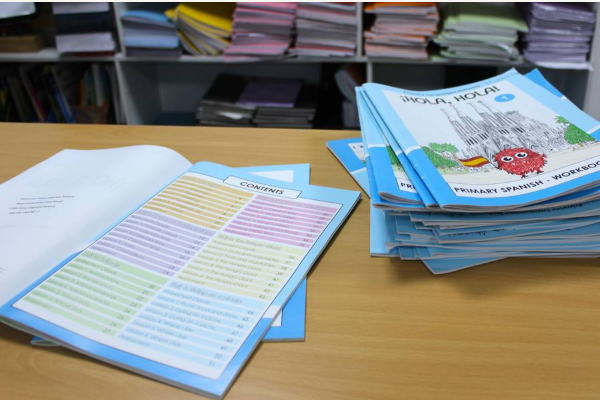
So many teachers asked us for a better way that we built one. Our printed workbooks give every child one book for the year, in French or Spanish. Every task from the scheme is already in there, along with vocabulary banks, writing scaffolds, assessments and cultural notes. Children can see how far they've come, and so can anyone who opens the book during a deep dive.
Moments that bring the network together
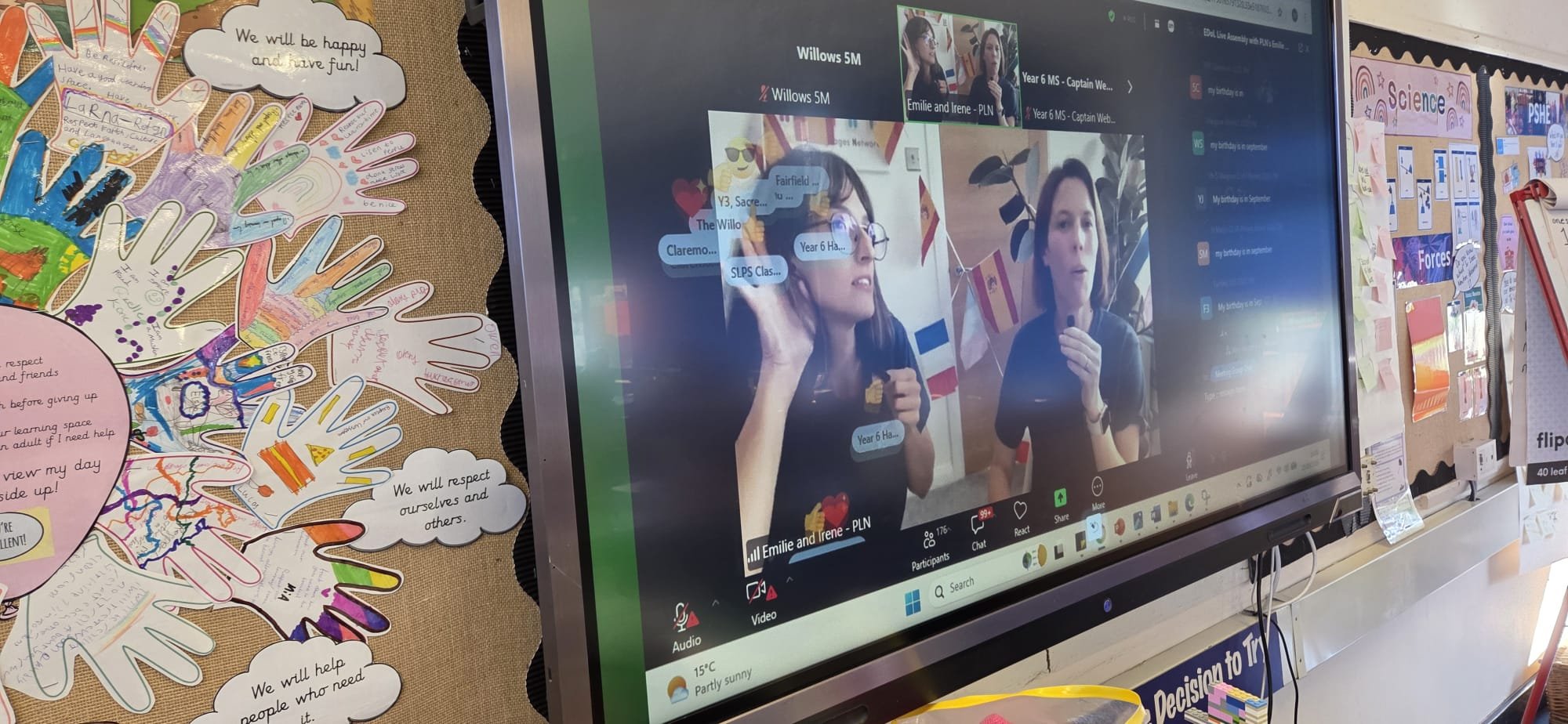
This September we ran our first live e-assembly for European Day of Languages. Around 8,000 children from member schools joined Irene and Emilie for a quiz, challenges and songs, with classes chatting and reacting in real time.
What struck me most was the sense of being part of something bigger. A class in one school could see dozens of others celebrating languages at exactly the same moment. That's hard to create on your own, and it's now part of what membership means.
"My Year 5/6 class joined in with the first of the online assemblies organised by Primary Languages Network, and we all really enjoyed it. It was interactive, it was fun and I really look forward to the next one, as do the class."
Jane Kent, MFL Coordinator and Lead Practitioner, Cambrian Learning Trust
Support in person, and across a whole trust
Sometimes a school needs more than a screen. Emilie and Irene now visit schools for Languages Super Days, a full day of assemblies, class workshops and celebration that gets the whole school talking about languages. Kate and Emilie also run Primary Languages in Practice visits, modelling live lessons and working alongside your staff for half a day.
For multi-academy trusts, we now build packages around the trust rather than school by school. That means shared CPD, consultancy and progression tools, so languages looks consistent across every school the trust leads. It's one of the things we hear coordinators value most: not having to start from scratch in each school.
A plan for provision that lasts
One of the things we've learned is that schools don't need a transformation. They need momentum. Something that works this term, works next term, and gradually becomes part of how the school runs.
That thinking now sits behind everything we do. We call it the Languages Momentum Method, and it has five steps:
Stabilise the foundations
Build confident, consistent language teaching
Make languages everyone's responsibility
Turn progress into evidence
Create a languages culture to be proud of
It gives coordinators a clear sense of where their school is now and what to focus on next. And because it's built into the resources, the CPD and the planning tools, the provision doesn't depend on one person remembering how it all fits together.
We see what this looks like when it works. St Ben's recently had great Ofsted feedback for languages. Inspectors loved the progression they could see in the children's books and felt the vocabulary was really embedded. That's exactly what we want for every school: progress you can see, and language that sticks.
Why we never stand still
None of this happened by accident. It came from watching what happens in real classrooms.
We aren't a publisher that writes a scheme and moves on. Our own team of around 20 teachers is in primary schools every week, teaching languages and covering PPA. When a lesson doesn't land, we see it. When teachers keep asking for the same thing, we hear it. The workbooks are a good example. We built them because teachers kept asking for them.
And because membership is a flat fee per school, every improvement we make is simply there for you. You don't pay again when we add something new. The resource you sign up for in September is better by the following summer.
What you won't find anywhere else
It's easy for every scheme to sound the same, so it's worth being specific. PLN is the only provider where a native speaker leads the lesson on screen for a non-specialist teacher. We cover EYFS and KS1 as well as KS2, and German as well as French and Spanish. And alongside the resources, there's a team of real people you can talk to, from a one-to-one consultation to a full day in your school.
In our experience, schools don't usually struggle because of the resource. They struggle when they're left on their own with it. That's the gap we've spent the last few years closing.
What's coming next
We're already working on the next set of changes. More live e-assemblies are on the way, including language-specific sessions linked to the scheme's themes, with chances to practise vocabulary, phonics and grammar with Emilie and Irene.
We're also adding more video support to the Language Boosters app, so children get even more chances to see and hear the language as they practise. And we're building a brand new version of Video2Teach to reflect the new curriculum changes, so schools can feel confident their languages provision is ready for what's ahead.
What hasn't changed
For all the new things, the most important part of PLN is exactly the same. We're still a small team of people who care a lot about primary languages.
When you email us, you hear back from someone who knows your school, not a ticket number. If a login isn't working on a Monday morning or a coordinator needs help before a deep dive, we sort it as quickly as we can. That's been true since Janet started PLN in 2011, and it's something we've worked hard to protect as the network has grown.
We still believe every child deserves a real start in another language, whatever school they're in and whoever their teacher is. Everything we build is there to help our network of teachers and coordinators get there, and we're proud to be on that journey with you.
Worth another look
The lesson plans were never really the difference. It's everything around them, and that keeps getting better every year. It all sits in one new member dashboard, so finding what you need takes seconds rather than a search through folders.
Membership is still one flat fee per school, not per pupil, and every member of staff gets access. If you're a small school, get in touch and we'll make it work.
If you tried us a few years ago and decided it wasn't for you, I'd genuinely love you to take another look. You can set up a free trial here and try everything for yourself, or drop me a message and we'll walk you through what's changed.