
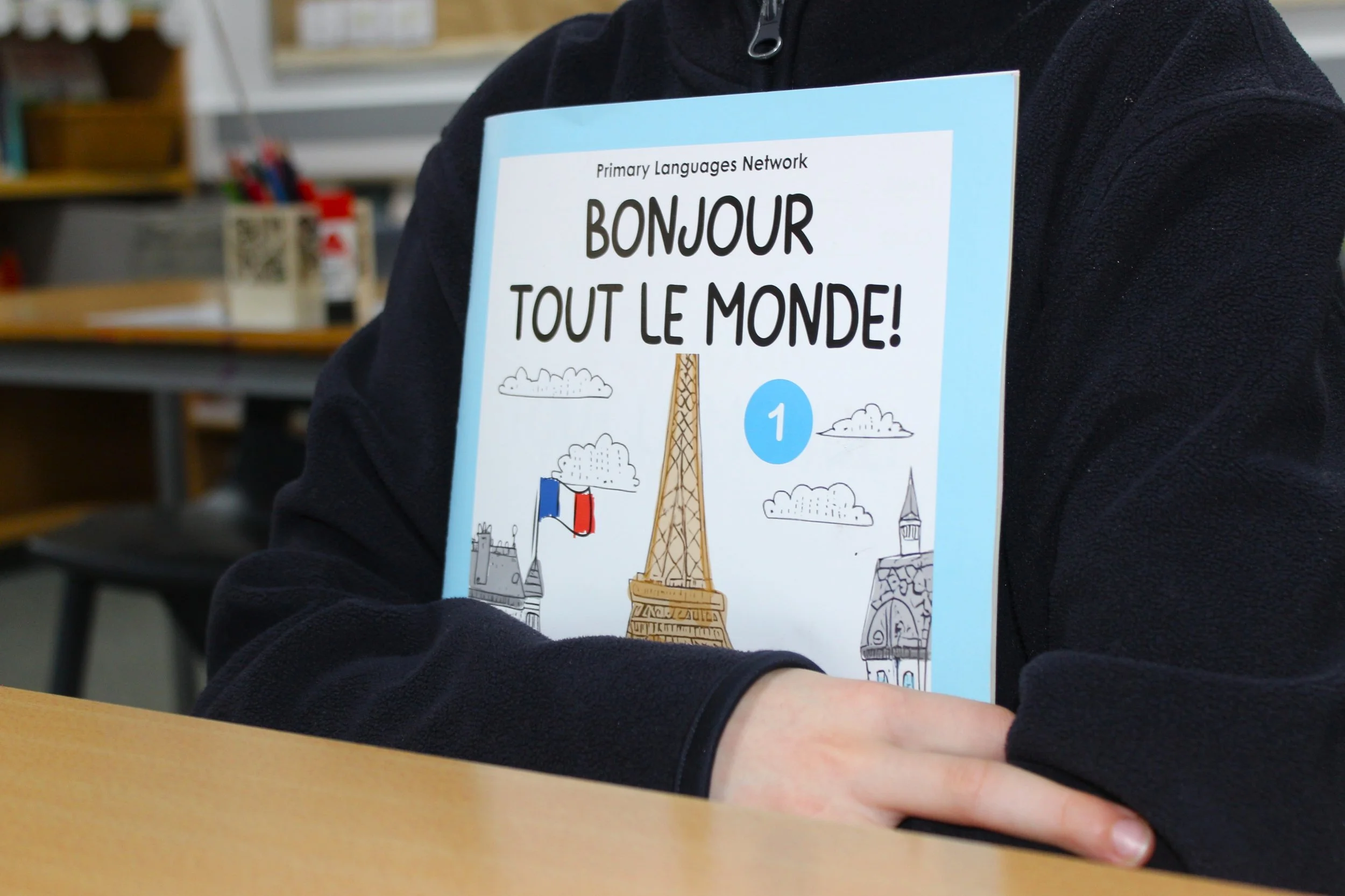
When schools first see our French and Spanish Sages 1–4 workbooks, the reaction is often the same:
“These look great, a worksheet for each lesson.”
And yes… that’s true.
But what many don’t realise at first is this:
These workbooks aren’t just a resource — they’re a complete delivery solution.
The Problem We Set Out to Solve
If you’ve ever delivered KS2 languages in a primary school, you’ll know the reality:
Printing endless worksheets week after week
Children sticking sheets into books (badly… or not at all!)
Time lost handing out, collecting, and organising paper
Inconsistent evidence of progress
Teachers juggling delivery without being language specialists
We kept hearing the same thing from schools:
“We just want it to be simpler.”
So that’s exactly what we built.
One Book. One Year. Zero Chaos.
Each pupil gets one workbook for the entire academic year.
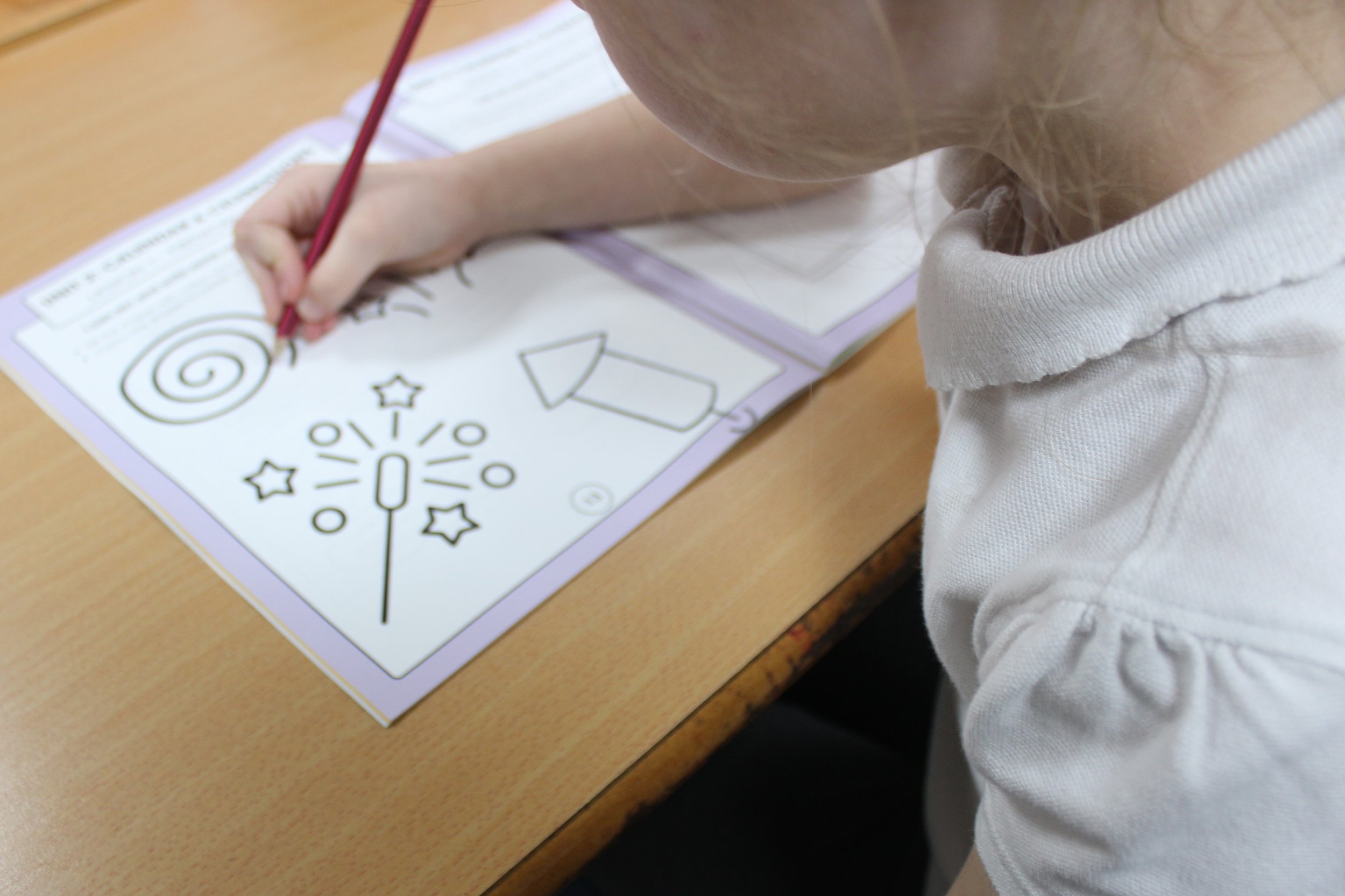
Inside that book:
A task for every single lesson in the scheme
No extra printing
No sticking
No lost sheets
Everything is where it should be, every time.
Fully Integrated With the Scheme
These aren’t “extra” worksheets.
They are built directly into the PLN Scheme of Work, meaning:
Pupils complete lesson tasks in the workbook
Teachers don’t need to adapt or search for resources
Lessons flow smoothly from input → task → outcome
It turns delivery into something that feels structured, calm, and manageable.
Real Progress You Can See
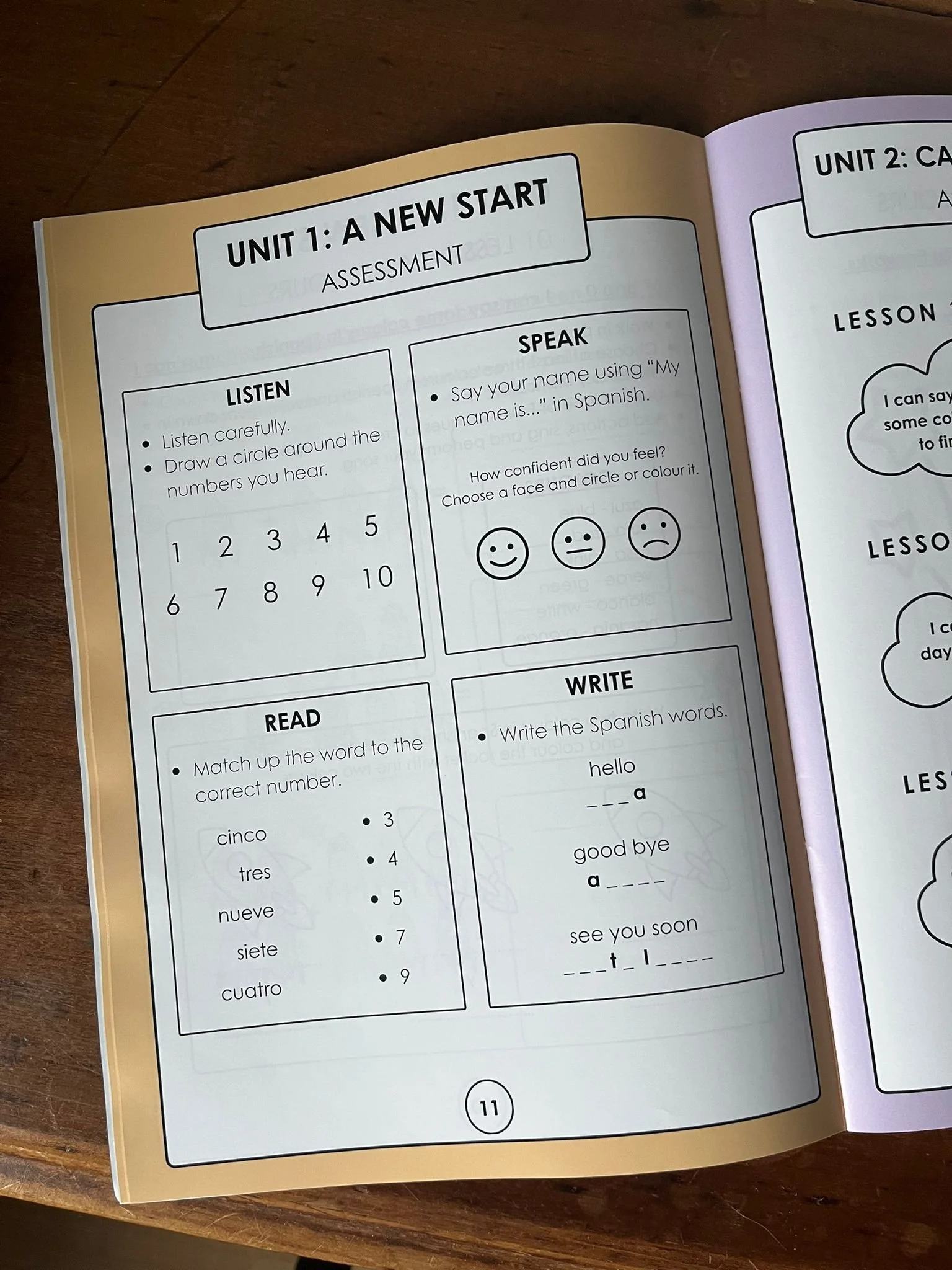
One of the biggest challenges in primary languages is showing clear progression over time.
These workbooks solve that instantly.
At the start of each module:
Tracking clouds give a visual snapshot of learning
At the end:
Assessment sheets provide clear checkpoints
Throughout:
Written work builds week by week
So instead of scrambling for evidence…
You can simply open the book and see the journey.
Designed for Real Classrooms
We didn’t design these in theory — we built them around how schools actually work.
That means:
Colour-coded organisation → helps pupils stay on track
Vocabulary banks → supports independence
Clear structure → ideal for non-specialist teachers
Neurodivergent-friendly layout → predictable, consistent, low overload
And for schools on mixed-year or 2-year cycles?
They fit seamlessly.
A Genuine Time Saver for Teachers
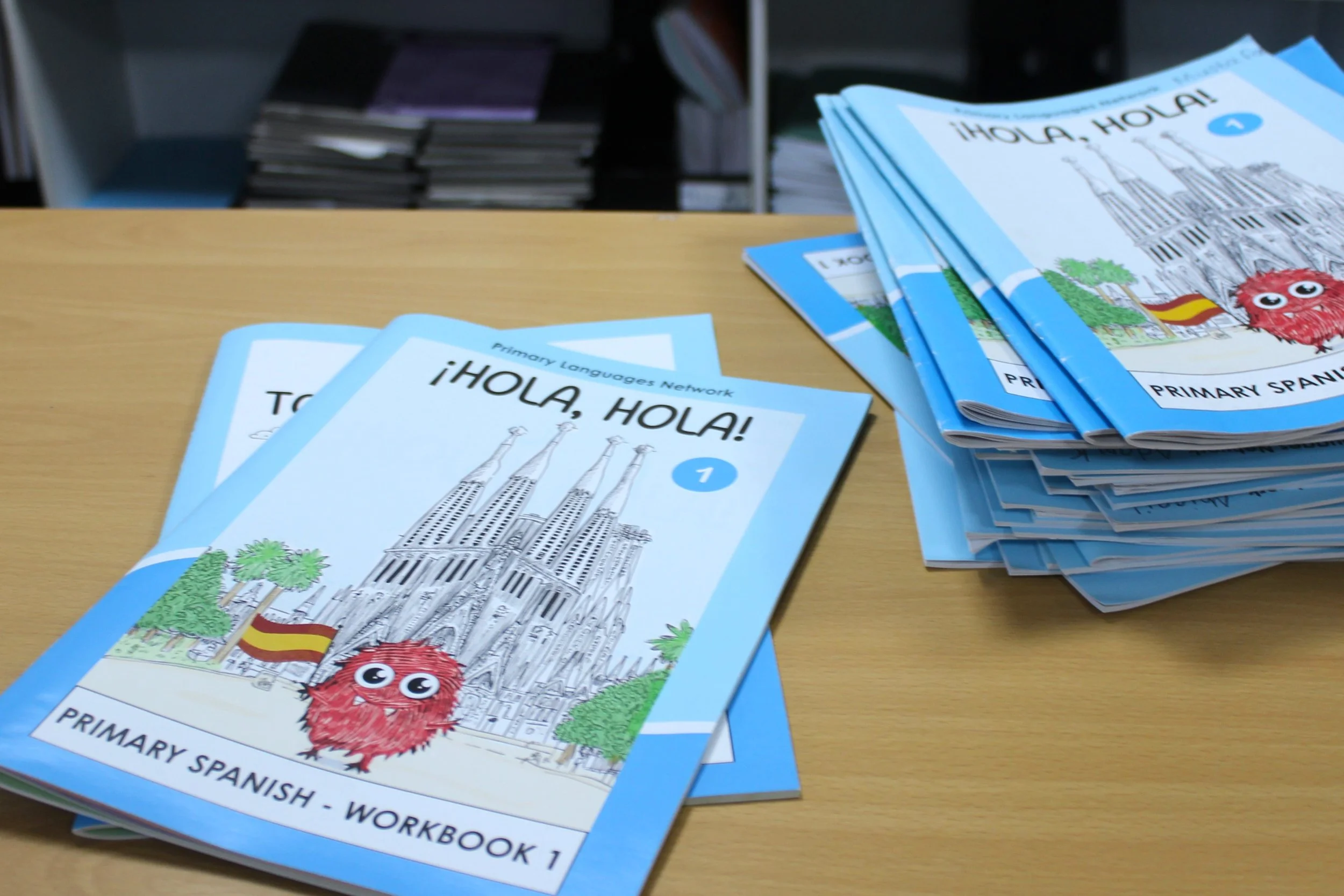
Let’s be honest — time is everything.
These workbooks remove:
Printing
Cutting
Sticking
Resource prep
And reduce in-lesson friction dramatically.
“I didn’t realise how much time we were losing until we stopped printing. Now we just open the books and teach.”
— Year 5 Teacher
“The lessons feel calmer. The children know exactly what they’re doing, and I’m not firefighting with paper anymore.”
— Languages Lead
More Cost-Effective Than You Think
Printing a single colour worksheet can cost 8–15p per page.
Across a full year?
That adds up quickly.
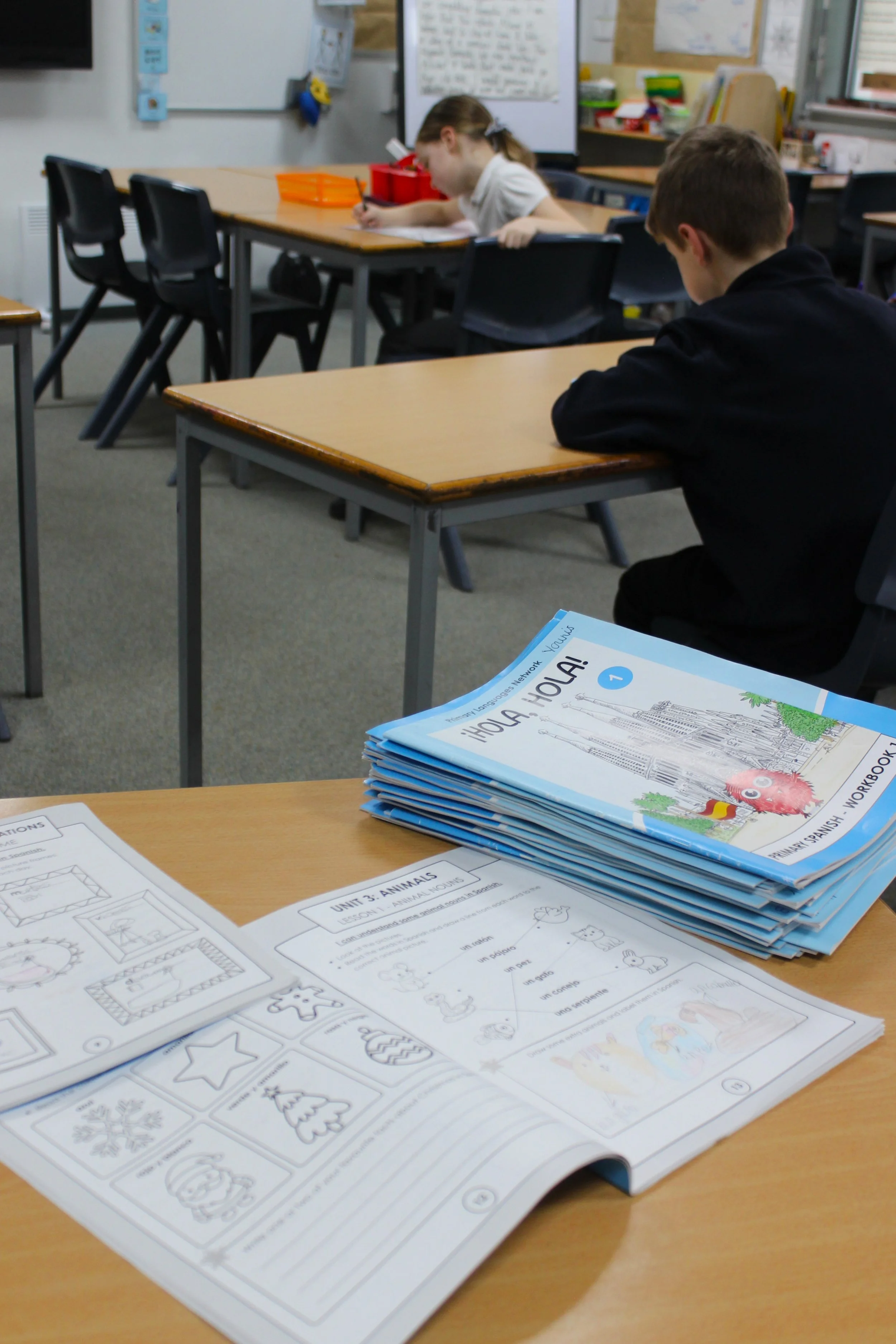
Our 50-page workbook:
Replaces all that printing
Eliminates exercise books + sticking
Comes in cheaper overall
And delivers a far higher quality experience.
Especially Powerful for Non-Specialists
Not every primary teacher is a language specialist, and that’s okay.
These workbooks provide:
Structure
Clarity
Confidence
“I’m not a languages specialist, but this makes me feel like I know exactly what I’m doing.”
— KS2 Teacher
More Than Meets the Eye
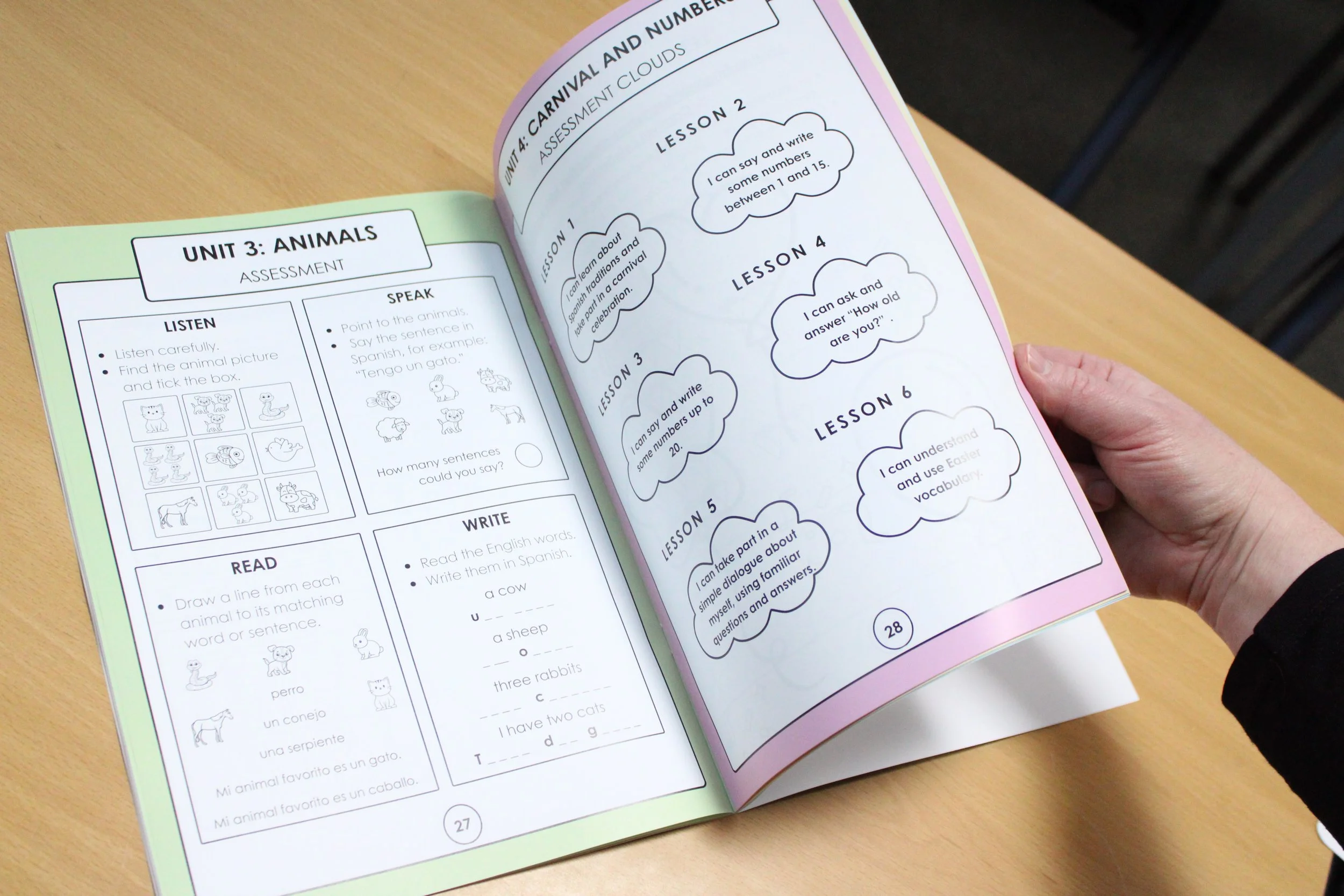
At first glance, it’s a workbook.
But in practice, it becomes:
A planning tool
A delivery system
An assessment record
A time-saver
A confidence boost for teachers
A clear journey for pupils
The Bottom Line
We didn’t create these to be “another resource”.
We created them to remove friction, simplify delivery, and raise the standard of primary languages in a way that actually works in real schools.
And once schools start using them…
They don’t go back.