
Why Systems (not ambition) are the key to success in Primary Languages
Every primary school in the country wants to deliver outstanding languages.
But wanting something is not the same as achieving it.
The difference between schools that aspire to do well in languages and those that actually demonstrate progress is not passion, intent, or even staff expertise: it’s systems.
Goals Don’t Create Success. Systems Do.
A useful comparison is professional football.
Every team in the Premier League wants to win the league. But only one team does.
The difference isn’t desire, it’s the systems behind the scenes:
Financial structures
Recruitment processes
Training environments
Coaching models
Performance analysis
Without those systems, ambition goes nowhere.
Primary languages are no different. Although there are a lot less people rolling around crying in a classroom than a football pitch!
Schools don’t fail in languages because they don’t care, they fail because they’re missing a fail-safe structure that works regardless of context.
That’s exactly why we built the PLN System.
What Is the PLN System?
The PLN System is a four-step, fail-safe framework for delivering credible, demonstrable progress in primary languages, in any school, in any situation.
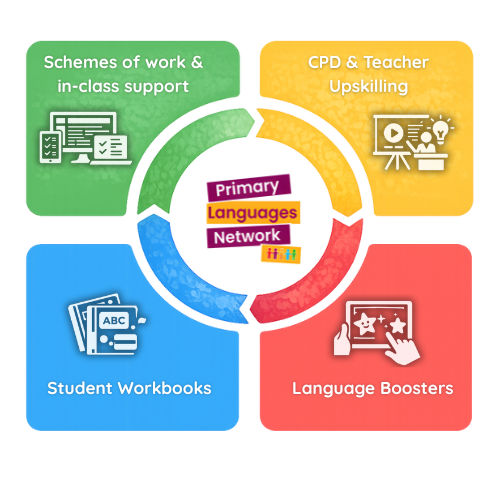
“Substantial progress” does not mean the same thing for every school.
A large school with a specialist teacher delivering one hour per week will make different absolute progress
A small school with non-specialist staff delivering 30 minutes per week will make different absolute progress
But when judged relative to context, both can demonstrate progress that is:
Impressive
Sustainable
Defensible
Aligned with Ofsted expectations
The PLN System ensures that every school can show progress that makes sense for their reality.
The Four Steps of the PLN System
Each step builds on the previous one. Remove one, and the system weakens. Follow all four, and progress becomes inevitable.
Step 1: In-Class Support That Makes Good Lessons Possible
The foundation of the entire system is in-class support.
This applies equally to:
Specialist teachers
Non-specialist teachers
Confident staff
Staff with no language background at all
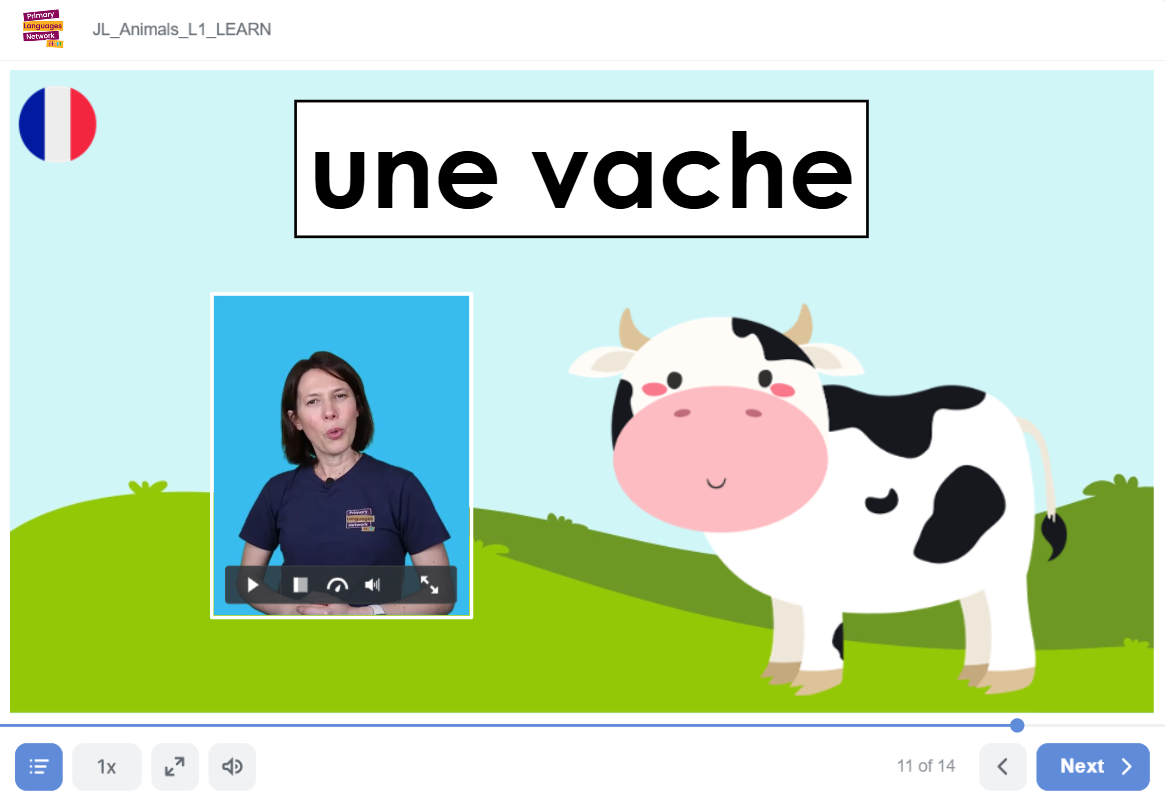
We provide supportive schemes of work that make high-quality lessons deliverable, not theoretical.
This includes:
Audio and visual support
Click-to-teach lesson structures
Video-to-teach expert-led lessons for non-specialists
These tools ensure that every teacher, regardless of training or confidence, can deliver:
Structured lessons
Accurate language
Clear progression
“You can deliver hours of CPD, but without the right scheme of work, great lessons simply won’t happen.”
This step is about raising the floor, not just the ceiling.
Step 2: CPD That Builds Confidence, Not Overload
CPD matters: but only when it’s aligned to classroom reality.
As part of PLN membership, schools access:
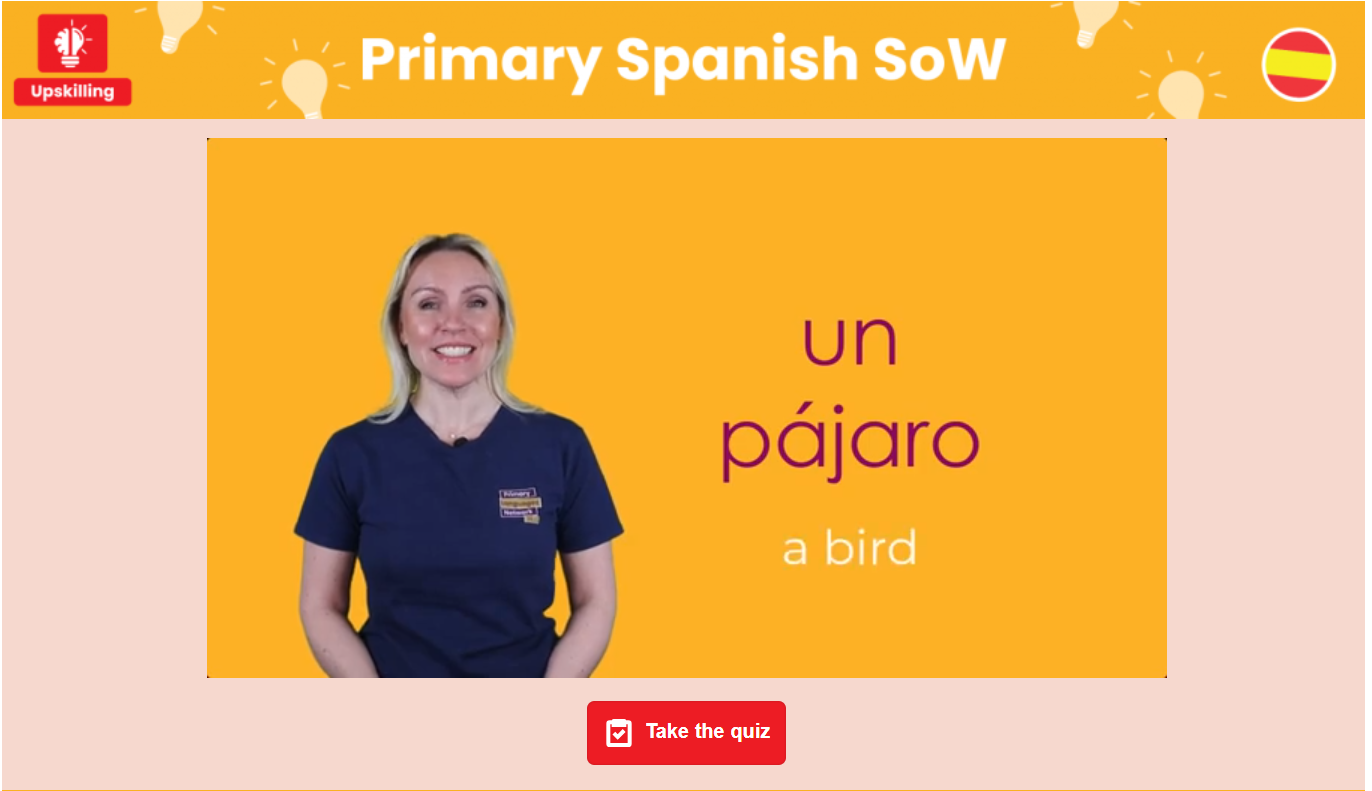
Whole-school CPD
Staff confidence-building sessions
Language progression training
Subject leadership and coordinator development
Live and pre-recorded training
Consultation-led CPD planning
Every school’s context is different. That’s why CPD works best when it’s discussed, targeted, and staged — not dumped wholesale.
Too many providers offer too much CPD without fixing the classroom first.
We’re clear on this:
CPD is only effective when the scheme of work already supports the teacher.
Without Step 1, CPD rarely translates into better lessons, no matter how good the training is.
Step 3: Saving Time While Making Progress Visible
Time is the biggest pressure schools face.
Most primary language lessons are:
30 minutes per week
Sometimes less
There is simply no room for:
Endless printing
Sticking sheets into books
Copying from the board
Excessive planning or marking
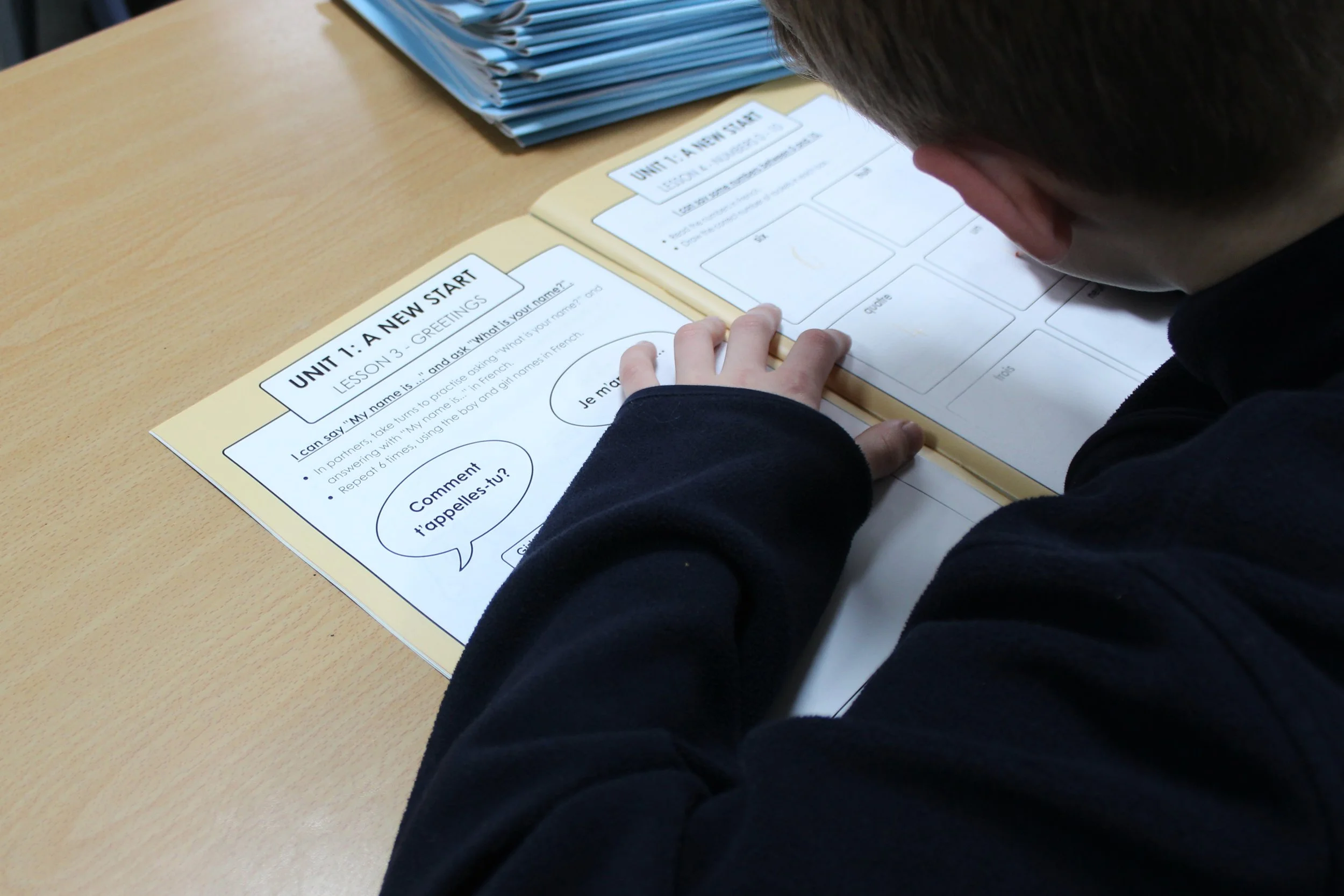
That’s why PLN workbooks are a core part of the system.
They:
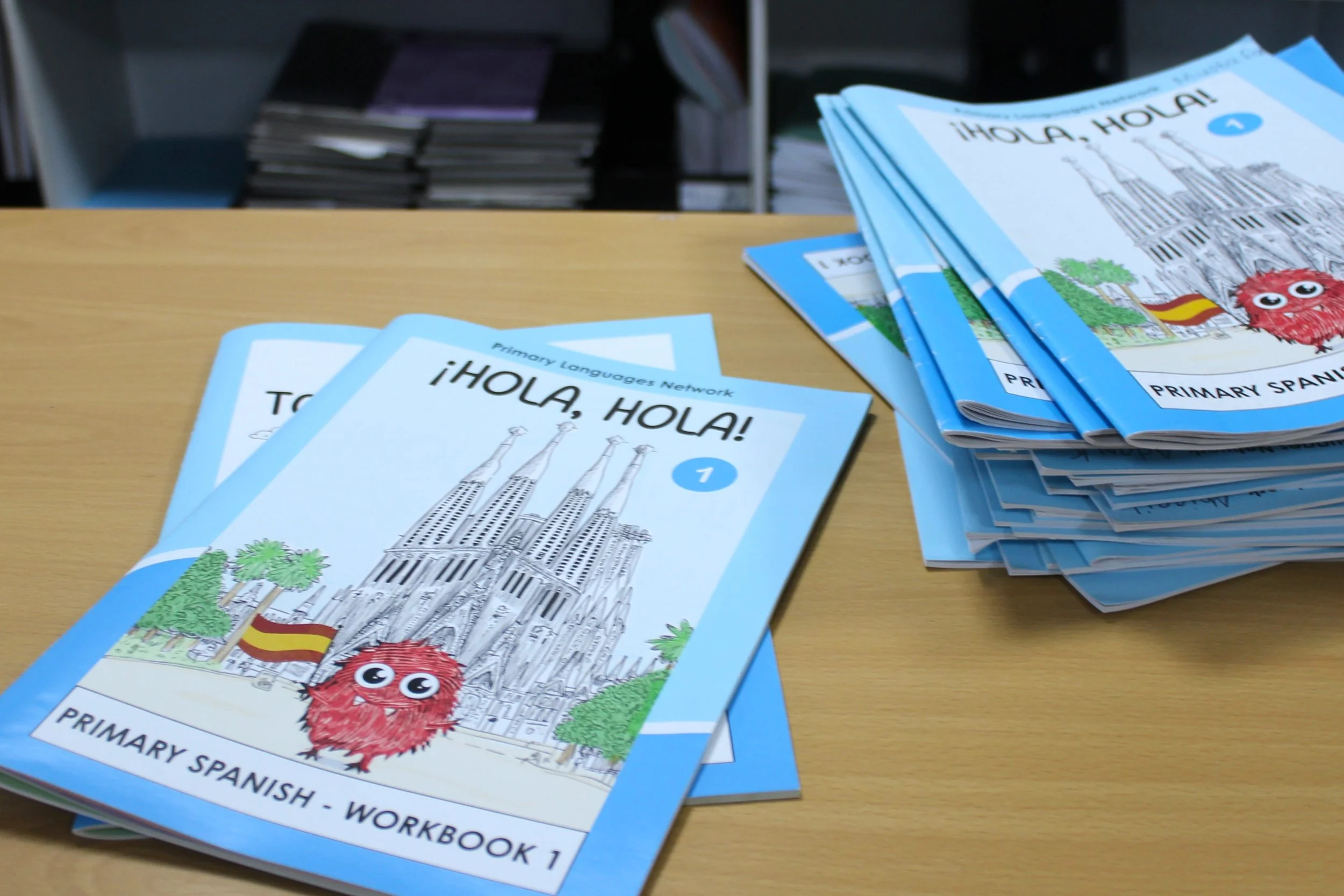
Run directly alongside the scheme of work
Include every lesson task in one place
Provide vocabulary banks for sentence building
Contain built-in assessments
Include tracking tools for progress
This allows teachers to:
Spend more time teaching
Demonstrate written progress clearly
Reduce workload significantly
Children enjoy the clarity and structure. Teachers gain confidence. Leaders gain evidence.
And crucially schools often save money compared to printing resources across the year.
Step 4: Retention Through Enjoyment and Home Learning
Progress doesn’t stick without retention work.
With limited curriculum time, schools must:
Maximise exposure
Maximise enjoyment
Maximise engagement
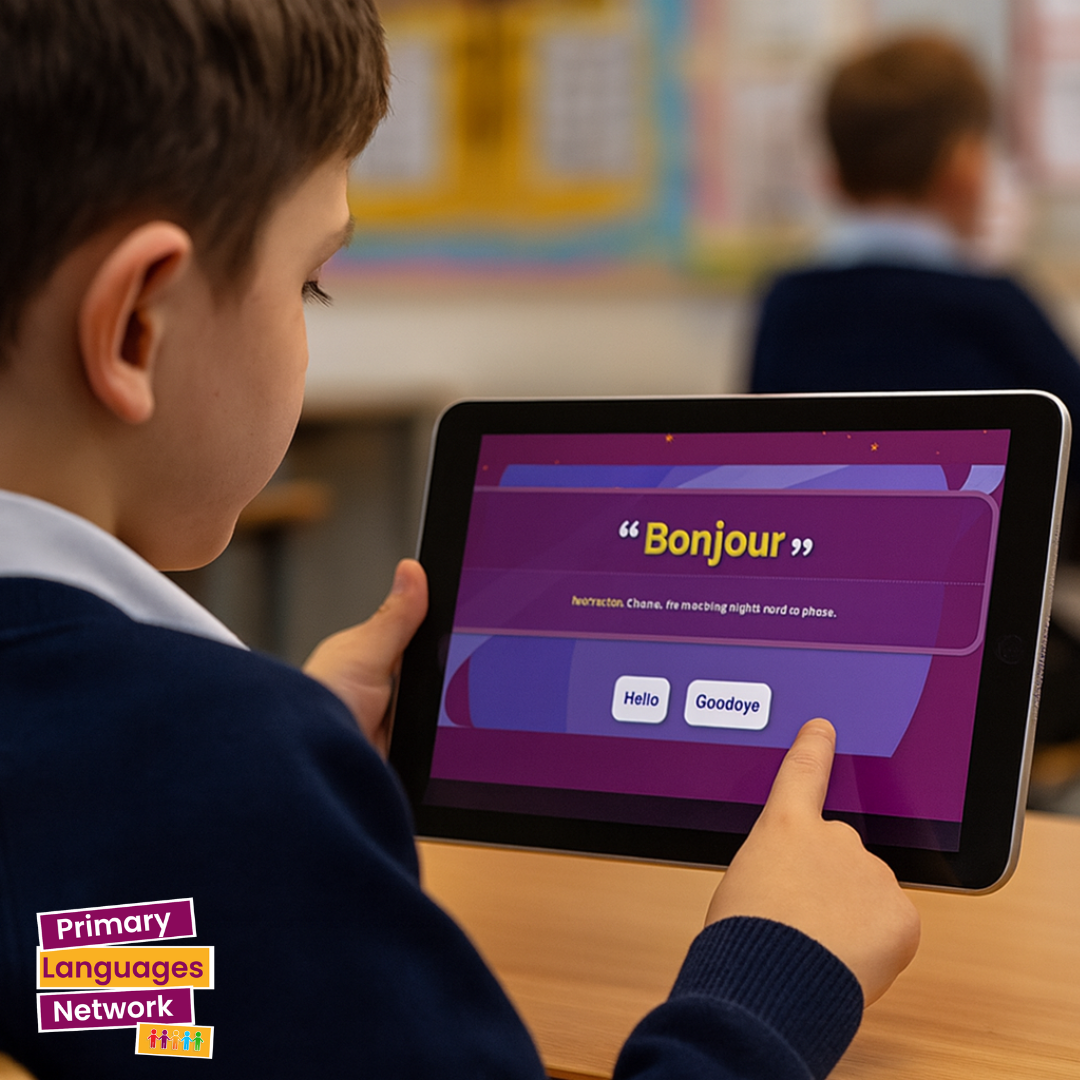
That’s where Language Boosters comes in.
All Key Stage 2 pupils can access:
Games aligned directly to classroom learning
Revision tools for current topics
Home learning, clubs, or independent practice
Tablet and mobile-friendly access
If pupils learn animals in class, they revise animals at home.
Simple. Aligned. Effective.
This dramatically improves:
Retention
Motivation
Confidence
Long-term progress
And it requires minimal admin from schools.
A System That Works Because It’s a System
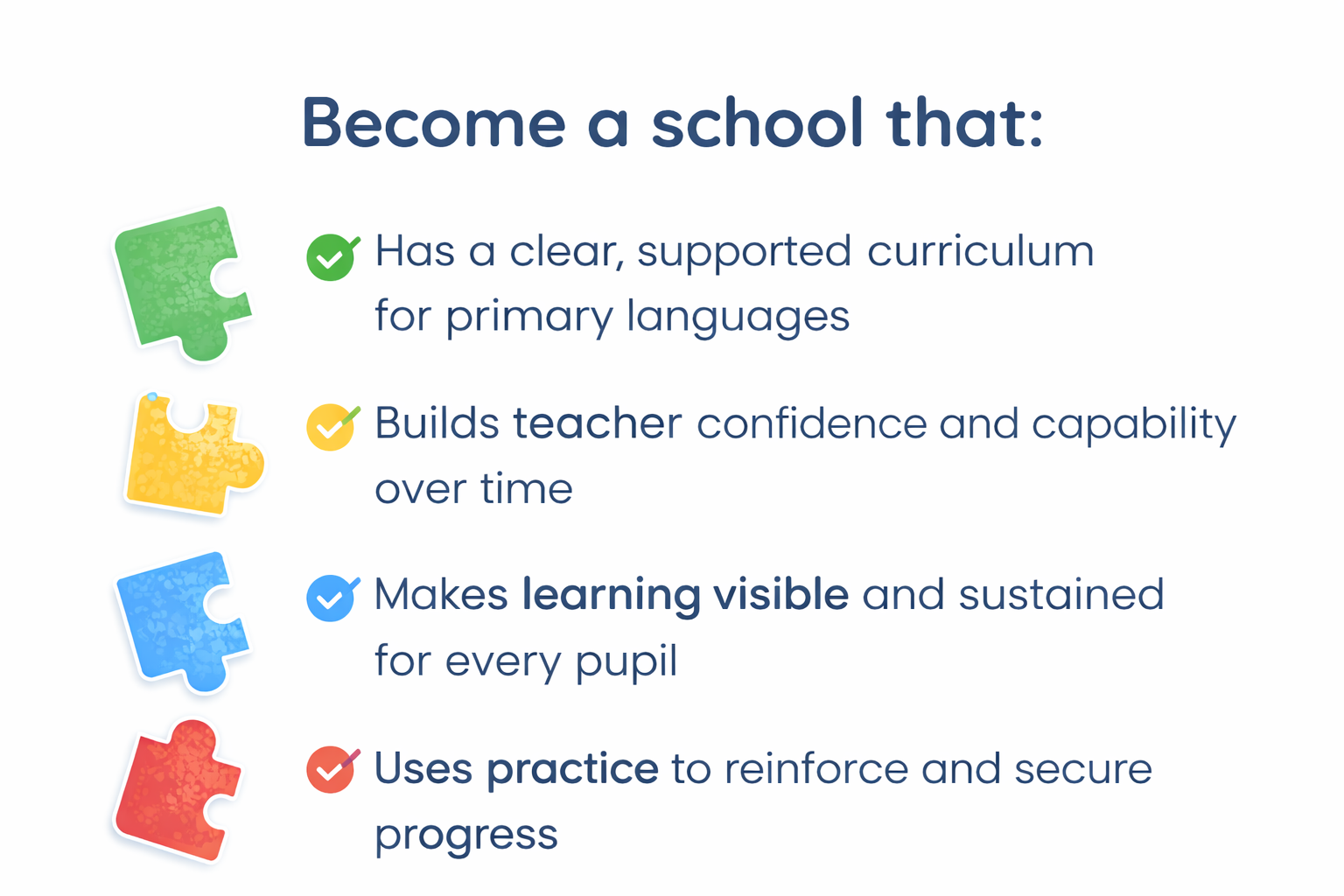
The PLN System works because it is:
Structured
Context-aware
Teacher-friendly
Evidence-driven
It doesn’t rely on:
One brilliant teacher
Unrealistic curriculum time
Endless CPD
Ideal conditions
It works in the real world.
If your school wants to move from hoping languages go well to knowing progress is happening, systems matter more than ambition ever will.
To explore how the PLN System could work in your setting, click on the button below to access a free trial.